Why Sustainable Building Matters
Sustainability is one of the most important issues facing the world today. With population growth and climate change, it has become more important than ever to find ways to build that are both environmentally friendly and economical. In this article, we will explore different methods of sustainable building: using natural materials, building with recycled materials, and how you can apply these with various construction techniques and tips.
Australians are uniquely positioned to lead in this space, thanks to our abundance of natural resources, innovative construction community, and growing demand for sustainable solutions. By choosing greener ways to build, we can reduce our environmental impact, future-proof our homes, and create healthier living spaces.
TABLE OF CONTENTS
Natural Building Materials
Building With Earthen Materials
Different Methods Of Building With Earthen Materials
Building With Recycled Materials
Getting Started: Tips For Australian Homeowners
Common Pitfalls To Avoid
Conclusion And Resources
Natural Building Materials
Natural materials are those that come from the earth and can be replenished relatively easily. Wood, for example, is a great natural building material because it is strong, durable, and easy to work with. It can also be sourced from sustainably managed forests, making it a good choice for those looking to build in an eco-friendly way. Other natural materials include stone, clay, straw, and bamboo.
One of the benefits of using natural materials is that they are often very affordable. Wood, for example, is typically much cheaper than steel or concrete. Natural materials are generally a good choice for those who are not experienced in construction. Another benefit of using natural materials is that they are often easy to work with. Finally, one of the biggest benefits of using natural materials is that they are environmentally friendly. When used properly, they can help reduce the carbon footprint of a building project.
Sustainable building methods using natural materials is making a comeback and growing in popularity. Especially building with earthen materials.
In Australia, locally-sourced timber, rammed earth, and strawbale have become especially popular for both residential and off-grid projects. Using Australian hardwoods, for example, not only supports local industry but also means fewer carbon miles from shipping. Wherever possible, choose materials from your own state or region.
Building With Earthen Materials
Earthen building materials are made from soil and other earth elements. They have been used for centuries to construct buildings and other structures. One of the benefits of earthen materials is that they are very durable. Buildings constructed with earthen materials can often last for hundreds of years. Earthen materials are also environmentally friendly, as they are made from a renewable resource.
One downside of earthen materials is that they can be difficult to work with. It takes a lot of practice and experience to be able to use them effectively. Another downside is that they can be susceptible to moisture damage if not done correctly. But when you weigh up the pros and the cons, it's clear that building with earthen materials is a great choice.
Different Methods of Building with Earthen Materials
There are a number of different ways to build with earthen materials. One of the most common methods is called cob construction. Cob is made from a mixture of sand, clay, and straw. It can be used to build walls, floors, and even roofs.
Another common method is called earthbag construction. Earthbags are filled with soil or gravel and then stacked together to form walls. This type of construction is very durable and can withstand extreme weather conditions.
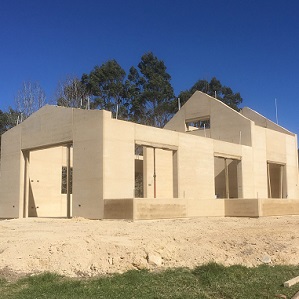
But in our opinion, the best method of building with earthen materials is called rammed earth construction. Rammed earth is made by compressing a combination of damp clay, sand and gravel into blocks or even entire walls. Because the materials are literally dirt, these building materials are as cheap as you can find. You can even use clay from your own property. This type of construction is incredibly strong and can last for hundreds, even thousands of years!
Each of these methods has its own advantages and disadvantages. It's important to choose the method that will work best for your specific project.
For Australians, earthen methods are particularly well-suited to our dry climate, and you’ll find beautiful examples from the Adelaide Hills to rural Queensland. When planning your build, remember to consult local experts, especially when it comes to waterproofing and council requirements.
Building With Recycled Materials
There are a number of different ways to build with recycled materials. One common way is to use recycled lumber. Recycled lumber is made from wood that has been salvaged from buildings or other structures that have been demolished. It is often very cheap and can be a great way to reuse materials that would otherwise be thrown away.
Another common way to use recycled materials is to use car tyres. Car tyres can be used to create walls, floors, and even roofs. They are a great way to recycle materials that would otherwise be thrown away. One creative way to use car tyres in your next building project is to use them as wall insulation. Car tyres are a great way to insulate a building and can help reduce energy usage. Another creative way to use car tyres is to create a roof garden. A roof garden can be a great way to add some extra green space to your home and also help reduce the heat gain of a building.
Obviously, the major benefit of using recycled materials is that it helps reduce the amount of waste that ends up in landfills. It also helps reduce the need for new raw materials, which can be harmful to the environment.
When using recycled materials, it is important to make sure that they are properly treated and sealed. Otherwise, they may not be weatherproof or watertight. It's also important to use a qualified contractor who has experience working with recycled materials.
Keep an eye out for salvage yards and building supply auctions-some of the best materials are hiding in plain sight! Even old bricks, windows, and corrugated iron can add character and sustainability to your next project.
Getting Started: Tips For Australian Homeowners
Check local council guidelines: Building regulations vary by state and territory, and some councils are more open to alternative methods than others.
Source locally: Support local timber mills, brickworks, and salvage centres to cut down on carbon miles and keep your build authentically Aussie.
Climate-adapted design: Natural and recycled materials work best when designed for your local climate - think passive solar, good cross-ventilation, and bushfire safety if needed.
DIY vs. contractor: Some natural and recycled methods are perfect for owner-builders, but always get expert advice if you’re new to a technique or using a material for the first time.
Community knowledge: Join local sustainable building groups, Facebook pages, or workshops - you’ll find loads of practical tips and real-world experience from others who’ve built with earth, straw, or reclaimed materials.
Common Pitfalls To Avoid
Moisture management: Particularly for earthen buildings, failing to plan for rain and rising damp can lead to major headaches.
Sourcing without research: Not all recycled materials are suitable for every purpose - check for toxins, pests, or hidden damage.
Skimping on expertise: Especially when using alternative materials, the advice of an experienced builder can save money and ensure your project is safe and compliant.
Overlooking insulation and comfort: Natural and recycled does not mean uncomfortable - plan ahead for insulation, shading, and airflow to make your home truly liveable.
Conclusion And Resources
In this article, we have looked at different ways of building sustainably with natural and recyclable materials. We have explored some of the benefits and drawbacks of each method, so you can be in a better position to choose the best one for your specific project. So whether you're interested in sustainable construction or recycling, we hope you've found this article helpful!
Building sustainably isn’t just good for the planet - it can result in homes that are healthier, more comfortable, and more beautiful. Every small step helps create a greener future for Australia.
Find inspiration and information here!